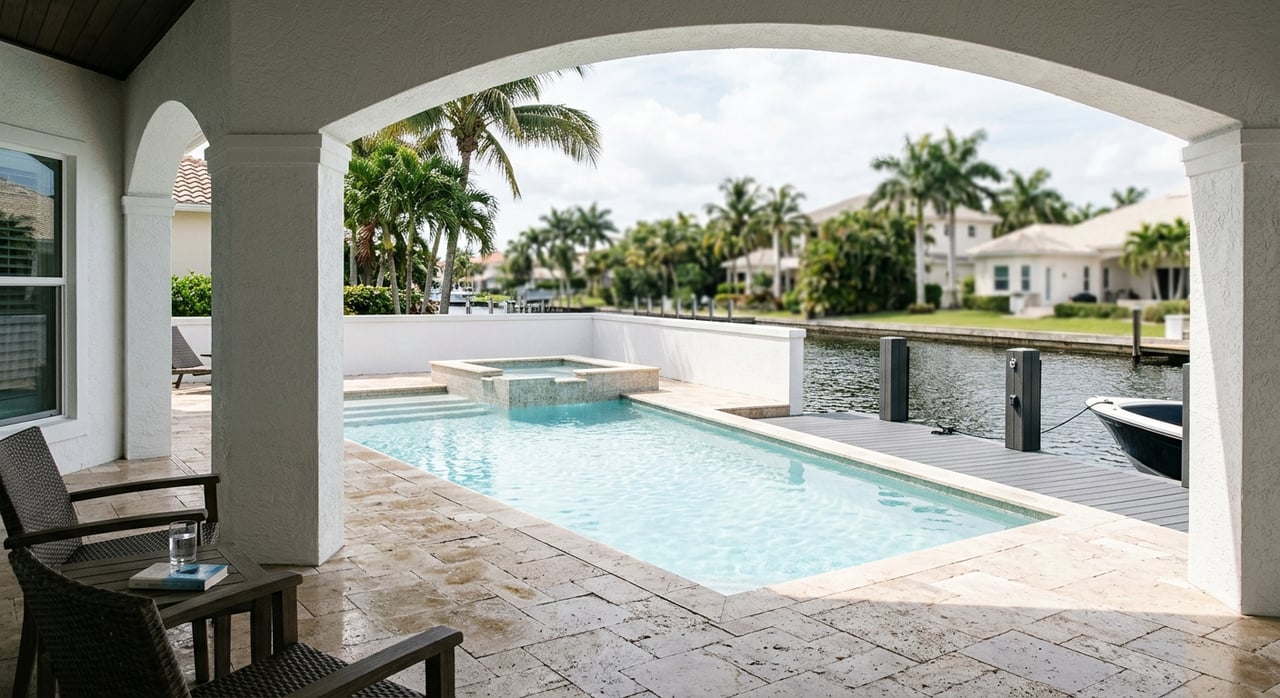
What does everyday life along the canals in Cape Coral actually feel like? For many buyers, that question matters just as much as square footage or price. If you are considering a waterfront home, a second home, or a move built around boating and outdoor living, it helps to understand how the canals shape daily routines, homeownership, and lifestyle choices. Let’s dive in.
Why Cape Coral’s canals matter
Cape Coral’s canal system is not just a backdrop. It is one of the defining features of the city and a major reason so many people are drawn to the area.
The city describes Cape Coral as having more than 400 miles of waterways, including about 300 linear miles of freshwater canals. These canals are part of the city’s broader water management system, helping collect runoff, support flood control, and store irrigation water before it moves toward tidal canals.
For you as a buyer or homeowner, that means the canals are both scenic and functional. They influence views, recreation, access, and even some of the practical responsibilities that come with waterfront ownership.
Freshwater and saltwater feel different
Not all canal-front homes in Cape Coral offer the same lifestyle. One of the most important things to understand is whether a property sits on a freshwater canal or in a saltwater area.
Freshwater canals are often associated with peaceful views, fishing, and kayaking. Saltwater areas connect to the Caloosahatchee River and broader boating routes, which can make them more appealing if your goal is direct boating access.
That difference can shape your day-to-day experience in a big way. One address may be ideal for quiet mornings on the lanai and paddle outings, while another may fit a more active boating routine with regular trips out on the water.
What this means for your home search
If canal access is high on your wish list, it helps to get specific early. Instead of simply saying you want a canal home, think about how you want to use the water.
Ask yourself questions like:
- Do you want to boat directly toward open water routes?
- Would you be happy with kayaking, fishing, and waterfront views?
- Do you want room for a dock or other water-oriented features?
- Are you looking for a quieter residential setting or a location near marinas and waterfront dining?
Those answers can help narrow your search and avoid surprises later.
Daily life often centers on the water
In Cape Coral, the canals often shape the rhythm of an ordinary day. Even if you are not on a boat every afternoon, the waterfront setting tends to influence how you spend your time at home and around the city.
For some residents, that means morning coffee by the water, evening fishing from the dock, or sunset kayak outings. For others, it means using public ramps and launches to stay connected to the boating lifestyle without owning a home directly on a canal.
The city supports that lifestyle with multiple public boat ramps, trailer parking, and marine access points. City information notes that ramps are generally open 24/7 unless closed for safety or repairs.
Boating as a regular routine
Boating is one of Cape Coral’s most popular outdoor activities, and it is built into the local lifestyle. If you enjoy spending time on the water, canal living can make that feel more convenient and more natural.
If you were born on or after January 1, 1988, the city notes that a state boating safety course is required for operators. That is one of those practical details worth knowing early if boating is part of your plan.
Kayaking and quieter water access
Not every waterfront buyer wants the pace or cost of full-time boating. Kayaking offers a quieter and often simpler way to enjoy Cape Coral’s waterways.
The city’s kayak launch network connects users to freshwater canals, lakes, saltwater canals, the Caloosahatchee River, and the Caloosa Blueway. That gives you a wide range of ways to experience the water, whether you prefer a calm paddle close to home or a broader route through connected waterways.
Waterfront dining and destination areas
One of the appealing parts of canal life in Cape Coral is that the waterfront experience does not stop at your backyard. In many parts of the city, the lifestyle extends to marinas, restaurants, and destination areas where water, dining, and daily convenience come together.
Visit Fort Myers highlights places such as Tarpon Point Marina, Slipaway Food Truck Park & Marina, Rumrunners, and Marker 92 as part of the local waterfront dining scene. These spots help define the social side of canal living, especially for buyers who want water access paired with dining and leisure.
The South Cape area is also evolving as a mixed-use waterfront hub. The city’s Bimini Square project adds residential living, healthcare, retail, marina access, and dock-and-dine uses in downtown Cape Coral.
Neighborhood feel and convenience
A canal-front home in Cape Coral often blends privacy with access to activity. You may live on a quiet residential canal, yet still be a short drive or boat ride from dining, marina services, parks, or downtown destinations.
That balance is part of what makes the area appealing. It can feel relaxed and residential while still offering many of the conveniences people associate with a resort-style waterfront lifestyle.
What canal-front homes often feel like
Canal-front homes in Cape Coral are often shaped more by outdoor living and water use than by traditional street-facing design. The city’s waterfront guidance focuses on practical shoreline features such as docks, seawalls, rip-rap, and buffers, which reflects how closely these homes are tied to the water.
In everyday terms, that usually means outdoor spaces matter a lot. Buyers often focus on lanais, pools, water views, dock potential, and how easily the home supports time outside.
Visit Fort Myers also describes waterfront vacation homes in Cape Coral as often pairing pools with water-oriented amenities. Even when two homes have similar square footage, the experience can feel very different depending on canal type, water access, and the way outdoor living is set up.
Seawalls are not always required
Many buyers assume every canal home must have a seawall, but that is not the case. The city specifically says seawalls are not required on freshwater canals.
That detail matters because shoreline design, maintenance expectations, and long-term costs can vary from property to property. It is one more reason to look closely at each home rather than making assumptions based on the word waterfront alone.
Practical ownership details to know
The lifestyle is a big draw, but the practical side of canal living matters too. A smart waterfront purchase means understanding both the experience and the responsibilities.
Flood planning should happen early
The City of Cape Coral says standard homeowners and renters insurance policies do not cover flood damage. The city also notes that National Flood Insurance Program coverage has a waiting period.
For you, that means flood-zone review and insurance planning should happen early in the buying process. Cape Coral also participates in the Community Rating System, which can help lower flood insurance costs.
Landscaping rules affect waterfront homes
Living along the canals also means paying attention to local water-quality rules. Cape Coral’s fertilizer ordinance restricts nitrogen- and phosphorus-containing fertilizer from June 1 through September 30 and establishes fertilizer-free areas near seawalls and water bodies.
The city promotes Florida-friendly landscaping and native planting practices as part of reducing nutrient runoff. If you own canal-front property, your landscaping choices are not just cosmetic. They are part of protecting the water that makes the lifestyle possible.
Wildlife is part of daily life
Canal living in Cape Coral brings regular contact with wildlife. The city’s waterfront guide says residents may see herons, egrets, ospreys, ducks, bass, bluegill, snook, mangrove snapper, manatees, dolphins, alligators, iguanas, and Nile monitors around the canals.
That does not mean daily life feels difficult, but it does mean awareness matters. Leashed pets, careful shoreline use, and boating attention are simply normal parts of living on the water.
The canal system is actively maintained
Another point many buyers do not think about right away is that the canal system requires active city maintenance. Cape Coral says dredging helps preserve navigability, canal depth, flood control, and water quality.
That behind-the-scenes work supports the broader value of the canal network as an asset for waterfront living, irrigation, flood protection, and wildlife. In other words, the canal lifestyle depends on both private ownership and ongoing public stewardship.
Is canal living right for you?
Cape Coral canal living can be a great fit if you are looking for a home that supports outdoor time, water access, and a strong connection to the local environment. It can also appeal to second-home buyers who want a property that feels tied to Southwest Florida’s boating and waterfront culture.
The key is to match the property to the lifestyle you actually want. A freshwater canal home, a saltwater-access home, and a home near a marina district may all fall under the same broad category, but they can deliver very different daily experiences.
If you take the time to understand access, maintenance, insurance, and how you want to use the water, you can make a more confident decision. That is especially important in a market like Cape Coral, where waterfront can mean several distinct things.
If you are exploring canal-front homes in Cape Coral or trying to compare different waterfront options across Southwest Florida, Dr. Frank Dittschar can help you evaluate the lifestyle, location, and practical details with clear, thoughtful guidance.
FAQs
What is the difference between freshwater and saltwater canals in Cape Coral?
- Freshwater canals are generally more associated with views, fishing, and kayaking, while saltwater areas connect to the Caloosahatchee River and broader boating routes.
Can every canal-front home in Cape Coral boat directly to open water?
- No. Some canal-front homes are on freshwater canals and are not designed for open-water boating access.
Do all canal-front homes in Cape Coral need a seawall?
- No. The City of Cape Coral says seawalls are not required on freshwater canals.
Is there boating or kayaking access in Cape Coral if you do not own a waterfront home?
- Yes. The city operates multiple public boat ramps and kayak launches with access to freshwater and saltwater areas.
What extra costs or planning should buyers expect with a Cape Coral canal home?
- Buyers should plan early for flood insurance, review water access carefully, understand landscaping rules near the canal, and consider ongoing waterfront maintenance needs.